Barbiturate

Barbiturate

ng/ml

Cut-Off Levels

Rapid Urine Test: 200, 300 ng/mL

Rapid Oral Fluid Test: 60 ng/mL
WOD

Window of Detection Times

Urine Specimen: 1 – 3 Days

Oral Fluid Specimen: 48 Hours
What are Barbiturates?

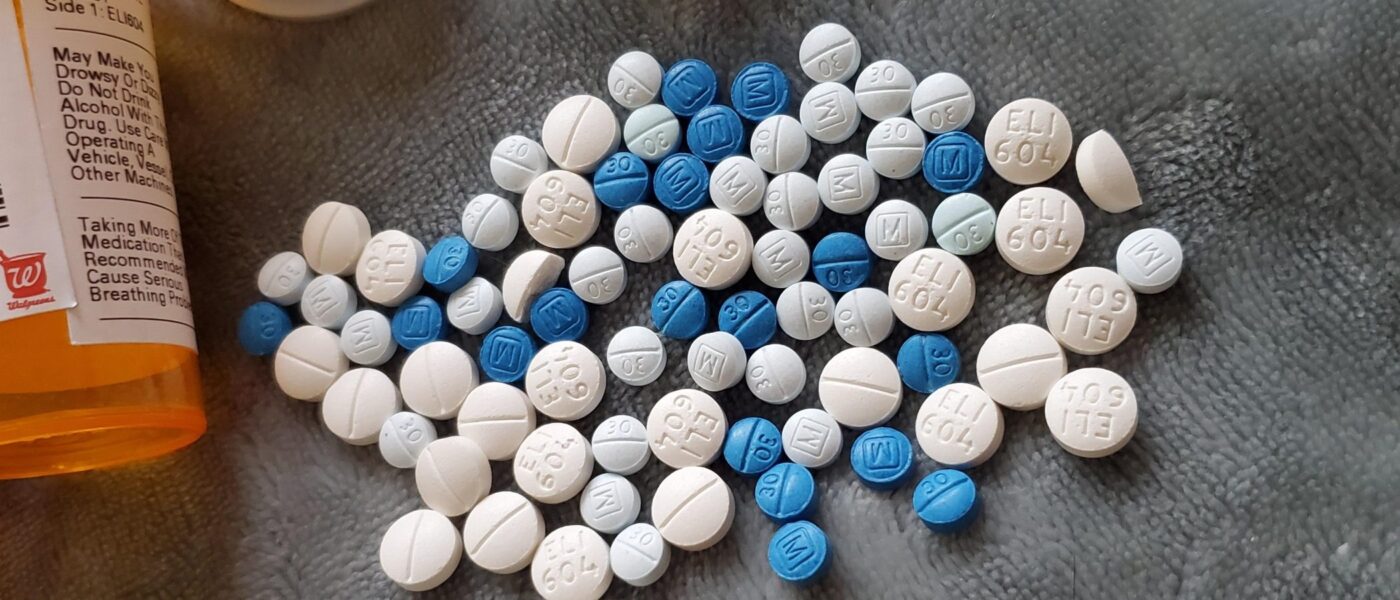
Barbiturates are central nervous system depressants that reduce brain activity and produce calming or sedating effects. Once widely prescribed for anxiety and insomnia, their medical use is now limited due to the significant risks associated with dependence, tolerance, and overdose. Physicians today primarily use certain barbiturates for specific clinical needs such as seizure control, anesthesia induction, and treatment-resistant migraines.

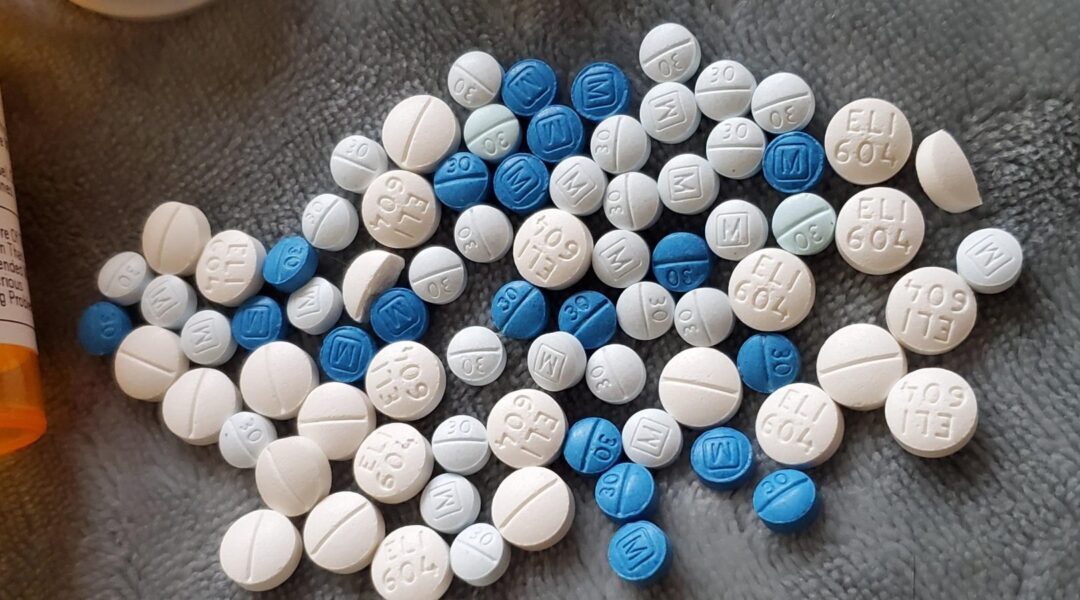
Prescription barbiturates come in regulated tablet, capsule, and liquid forms, each designed for precise medical dosing. Illicit or recreational forms—typically counterfeit pills or misused prescription products—are swallowed or sometimes crushed and snorted to achieve sedation or euphoria. However, the margin between a “desired” effect and life-threatening respiratory depression is extremely small, making recreational misuse particularly dangerous. Their high abuse potential has led to strict scheduling and close monitoring in both healthcare and drug-testing environments.

Effects:

  • Sedation and drowsiness

  • Relaxation and reduced anxiety

  • Impaired coordination and slowed reflexes

  • Blurred speech and cognitive slowing

  • Reduced heart rate and blood pressure

  • Respiratory depression (dose-dependent)

  • Memory impairment or confusion

  • Increased risk of dependence and withdrawal symptoms

  • Mood instability or irritability

  • High overdose potential, especially when combined with alcohol or opioids

Commons Slang Terms:

  • Barbs

  • Downers

  • Reds (typically secobarbital)

  • Blues

  • Goofballs

  • Yellows

  • Toonies

  • Yellow jackets

  • Sleepers

  • Rainbows

Legal Status:

Barbiturates are classified as Schedule II–IV controlled substances in the U.S., depending on the specific drug and its medical use. All barbiturates carry a high potential for dependence and overdose, which is why their prescribing is tightly restricted and closely monitored. This controlled status makes barbiturates an important target for toxicology screening, particularly in environments concerned with impairment, medication misuse, or compliance monitoring.

For point-of-care rapid testing programs—including workplace testing, probation/supervision programs, treatment facilities, and healthcare settings—barbiturates are typically included as a standard drug class on multi-panel rapid screens. Their sedating and impairment-causing effects pose significant safety risks, especially in positions involving driving, machinery, or public safety. Because some barbiturates still have legitimate medical uses, any presumptive positive result must be followed by confirmatory laboratory testing and, when appropriate, verification of a valid prescription. This ensures regulatory compliance, accuracy, and fairness in decision-making across all testing environments.

Screening Options:

LEGEND


CLIA-Waived Testing Options Available


Integrated Urine Test Cup Options Available


Urine Dip Card Test Options Available


Oral Fluid Testing Options Available


Lab Confirmation Services Available

GET STARTED

Speak with one of our expert consultants today!

Email Us

info@ntsbiz.com

Phone

1-866-989-9300

Address

550 NW 5th St.

Boca Raton, FL 33486 

Monday - Friday

8am - 5pm

Contact us

Call Us

1-866-989-9300

Email Us

info@ntsbiz.com

Our Location

550 NW 77th Street

Boca Raton, FL 33487

Get in touch

Alcohol

Alcohol

Alcohol

ALC / ETG

What is Alcohol

Alcohol is one of the most used and abused, yet widely accepted, drug of abuse being one of the oldest consumed substances around the world. People from all over the world use alcohol for many different reason but one of the main uses of alcohol is drinking it. It is important to know that not all alcohol is drinking alcohol. Drinking alcohol, also called ethanol or ethyl alcohol, is produced by the fermentation of fruits, grains, or other sources of sugar and depending on this process will dictate the strength, or alcohol content, of a beverage. When alcohol is consumed your body will start to metabolize it producing what is called Ethyl Glucuronide (ETG), a metabolite of ethanol. Since ETG is a metabolite produced by the body after consumption you are able to detect positive trace amounts within a persons urine up to 80 hours from a person last drink, making it a desirable choice for alcohol screen testing.

Cut-Off Levels (ng/mL)

300, 500, 1,000 ng/mL (Urine)

<50, 50, 100 ng/mL (Saliva)

Window of Detection

Up to 80 Hrs. for ETG Urine Screen

How is it Used?

Alcohol is used in a variety of different ways but most commonly known, drinking alcohol, or ethanol, is usually ingested orally by consuming an alcoholic beverage. There has been cases where addicts have been know to consume other alcoholic products such as, mouth wash, cleaning products, medicines containing trace amounts of alcohol, and even rubbing alcohol, which can be very harmful or even fatal.

What are the Effects?

Side effects will vary based on the rate and amount of consumption as well as the potency and alcohol content of a drink. Effects can appear as early as 10 minutes. Your blood alcohol concentration (BAC) level, which is the amount alcohol present in a persons bloodstream, will rise as someone continues to drink and will increase the strength of any side effects. Heavy drinking and binge drinking, where someone consumes multiple drinks over and extended period of time, can lead to blackouts in memory where the user will often not remember his or her actions while under the influence. Prolonged alcohol consumption-can have adverse side effects on someones, brain, heart, liver, pancreas, and immune system and has even been known to increase risks of developing, mouth, throat, and liver cancer.

Alcohol is a highly addictive substance and can cause dependency with extreme withdrawal symptoms after stopping use. Alcohol Use Disorder (AUD) is a very serious illness that many people suffer form everyday. Some signs of AUD are:

  • Had times when you ended up drinking more, or longer than you intended?
  • More than once wanted to cut down or stop drinking, or tried to, but couldn’t?
  • Spent a lot of time drinking? Or being sick or getting over the aftereffects?
  • Experienced craving — a strong need, or urge, to drink?
  • Found that drinking — or being sick from drinking — often interfered with taking care of your home or family? Or caused job troubles? Or school problems?
  • Continued to drink even though it was causing trouble with your family or friends?
  • Given up or cut back on activities that were important or interesting to you, or gave you pleasure, in order to drink?
  • More than once gotten into situations while or after drinking that increased your chances of getting hurt (such as driving, swimming, using machinery, walking in a dangerous area, or having unsafe sex)?
  • Continued to drink even though it was making you feel depressed or anxious or adding to another health problem? Or after having had a memory blackout?
  • Had to drink much more than you once did to get the effect you want? Or found that your usual number of drinks had much less effect than before?
  • Found that when the effects of alcohol were wearing off, you had withdrawal symptoms, such as trouble sleeping, shakiness, irritability, anxiety, depression, restlessness, nausea, or sweating? Or sensed things that were not there?

Common Symptoms of Use

  • Reduced inhibitions
  • Slurred speech
  • Motor impairment
  • Confusion
  • Memory problems
  • Concentration problems
  • Coma
  • Breathing problems
  • Death

What does it Look Like?

Ethanol, or drinking alcohol, comes in liquid form and can vary in color, ranging from clear to dark brown and amber, as well as potency.

Legal Status

Alcohol is legal to purchase and consume it most part of the world with some age restrictions. Currently the legal drinking age in the United States is 21.

Testing Options

  • Integrated Urine Cup Test
  • Urine Dip Card Test
  • Oral Fluid Test
  • Breathalyizer (B.A.C. Test)

Contact us

Call Us

1-866-989-9300

Email Us

info@ntsbiz.com

Our Location

550 NW 77th Street

Boca Raton, FL 33487

Get in touch

Barbiturate

Amphetamine

ng/ml

Cut-Off Levels

Rapid Urine Test: 300, 500, 1,000 ng/mL

Rapid Oral Fluid Test: 25 ng/mL

WOD

Window of Detection Times

Urine Specimen: 1 – 3 Days

Rapid Oral Fluid Test: 48 Hours

What is Amphetamine?

Amphetamine is a potent central nervous system stimulant that elevates dopamine and norepinephrine levels, resulting in increased alertness, energy, and focus. In medical settings, prescription amphetamines—such as dextroamphetamine and mixed amphetamine salts—are used to treat conditions like ADHD and narcolepsy, and less commonly for short-term weight management. These medications are produced in regulated tablet or capsule form, sometimes with extended-release beads, and are taken orally under a provider’s supervision.

Illicit or recreational amphetamine appears in various unregulated forms, including powders, crystals, and counterfeit pills. These versions may range in color from white to yellowish and are often ingested, snorted, or, in some cases, injected to produce euphoria, heightened energy, and prolonged wakefulness. Because street amphetamines lack quality control, users face significant risks such as contamination, unpredictable potency, cardiovascular strain, dependence, and addiction. Recreational use often follows binge patterns, increasing both short-term harm and long-term health consequences.

Effects:

  • Increased alertness, energy, and focus

  • Elevated mood or sense of euphoria

  • Decreased appetite

  • Increased heart rate and blood pressure

  • Dilated pupils and heightened sensory perception

  • Restlessness, agitation, or anxiety

  • Insomnia or difficulty sleeping

  • Rapid breathing and increased body temperature

  • Risk of dependence, cravings, and compulsive use

  • Potential for paranoia, aggression, or hallucinations at high doses

Commons Slang Terms:

  • Speed

  • Uppers

  • Pep pills

  • Bennies

  • Dexies

  • Go-fast

  • Black beauties

  • Crank

  • Zoomers

Legal Status:

Amphetamine is classified as a Schedule II controlled substance under the U.S. Controlled Substances Act. This means it has recognized medical uses—such as treatment for ADHD and narcolepsy—but also carries a high potential for abuse and dependence. Because of this strict scheduling, both prescribed and illicit use are closely monitored, and organizations that conduct drug screening are expected to test for amphetamines as part of standard toxicology panels.

For point-of-care rapid toxicology testing programs—including workplaces, treatment programs, courts, and government supervision settings—this legal status makes amphetamine one of the core drug classes included in nearly all rapid test devices. Screening for amphetamines helps programs differentiate between legitimate prescription use (which can later be verified through documentation or confirmation testing) and non-medical or illicit use. In many regulated environments—such as federally mandated testing for transportation safety-sensitive positions—amphetamine screening is not optional but required under federal guidelines.

Because amphetamine can be legally prescribed, POC programs must have clear procedures for handling positive screens, including confirmatory laboratory testing when needed and a mechanism for verifying valid prescriptions. This ensures compliance with federal law, reduces liability, and helps organizations make informed decisions while maintaining fairness and accuracy in their monitoring programs.

Screening Options:

LEGEND


CLIA-Waived Testing Options Available


Integrated Urine Test Cup Options Available


Urine Dip Card Test Options Available


Oral Fluid Testing Options Available


Urine Dip Card Test Options Available

GET STARTED

Speak with one of our expert consultants today!

Email Us

info@ntsbiz.com

Phone

1-866-989-9300

Address

550 NW 5th St.

Boca Raton, FL 33486 

Monday - Friday

8am - 5pm

Window of Detection

Cut-Off Levels (ng/mL)

2 – 5 Hrs After Use; Up to 2 – 4 Days (Urine) 300, 500, 1,000 (Urine)
1 – 3 Days <50, 50, 100 (Saliva)

How is it Used?

Amphetamines are generally taken orally or injected. However, the addition of “ice,” the slang name of crystallized methamphetamine hydrochloride, has promoted smoking as another mode of administration. Just as “crack” is smokable cocaine, “ice” is smokable methamphetamine.

What are the Effects?

The effects of amphetamines and methamphetamine are similar to cocaine, but their onset is slower and their duration is longer. In contrast to cocaine, which is quickly removed from the brain and is almost completely metabolized, methamphetamine remains in the central nervous system longer, and a larger percentage of the drug remains unchanged in the body, producing prolonged stimulant effects. Chronic abuse produces a psychosis that resembles schizophrenia and is characterized by: Paranoia, picking at the skin, preoccupation with one’s own thoughts, and auditory and visual hallucinations. Violent and erratic behavior is frequently seen among chronic abusers of amphetamines and methamphetamine. Drugs that cause similar effects include: dexmethylphendiate, phentermine, benzphetamine, phendimetrazine, cocaine, crack, methamphetamine, and khat.

What does it look like?

Amphetamines are stimulant drugs that come in various forms depending on their preparation and use. Prescription amphetamines, such as Adderall and Dexedrine, are typically available as tablets or capsules for medical treatment, while illicit forms, commonly referred to as “speed” or “crystal meth,” are often found as powders, crystals, or pastes. Some amphetamines may also appear as liquids for injection. The appearance of amphetamines varies widely, with key forms outlined below:

  • Powder: Fine, off-white, or pinkish powder.
  • Crystals: Coarse granules resembling salt or sugar.
  • Tablets: Small, colored pills with identifying imprints (prescription).
  • Liquid: Dissolved form for injection (less common).
  • Paste: Sticky, semi-solid substance (found in some illicit versions).

Packaging can range from labeled pharmaceutical containers for prescriptions to plastic bags or foil wraps for illicit products.

Common Symptoms of Use

Physical effects of amphetamine use include increased blood pressure and pulse rates, insomnia, loss of appetite, and physical exhaustion.

Overdose effects include agitation, increased body temperature, hallucinations, convulsions, and possible death.

Legal Status

Amphetamine are Schedule II stimulants, which means that they have a high potential for abuse and limited medical uses. Pharmaceutical products are available only through a prescription.

Rapid Testing Options

  • Integrated Urine Test Cup
  • Urine Dip Card Test
  • Oral Fluid Test
  • Field Test

Contact us

Call Us

1-866-989-9300

Email Us

info@ntsbiz.com

Our Location

550 NW 77th Street

Boca Raton, FL 33487
Get in touch

Fentanyl Addiction and Treatment Awareness

Fentanyl Addiction and Treatment Awareness

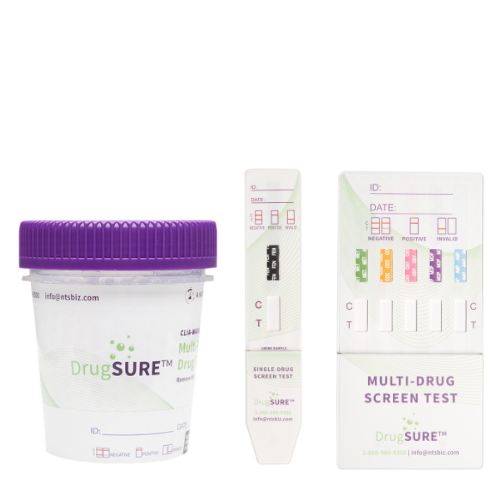
National Test Systems is proud to have partnered with Addiction Rehab Treatment to help raise awareness of Fentanyl use, addiction, withdrawal and treatment to help combat the spread of this deadly opioid in communities around the nation. Click the link below to learn more about Fentanyl.