
Methadone
Methadone
MTD / EDDP
Primary Products
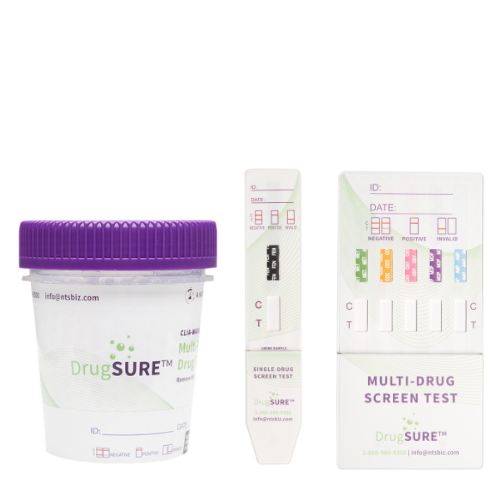
DrugSURE® Integrated Test Cups
DrugSURE® Dip Tests
OralTox® Oral Fluid Tests
ng/ml
Cut-Off Levels
Rapid Urine Test: 300, 500, 1,000 ng/mL
Rapid Oral Fluid Test: 25 ng/mL




WOD
Window of Detection Times
Urine Specimen: 1 – 3 Days
Rapid Oral Fluid Test: 48 Hours




What is Methadone?
Methadone is a long-acting synthetic opioid used primarily in medication-assisted treatment (MAT) for opioid use disorder and, less commonly, as a pain-management medication. It works by binding to the same receptors as heroin and other opioids but does so in a slower, controlled way that reduces withdrawal symptoms and cravings without producing the intense euphoria associated with illicit opioids. Medical methadone is dispensed in tightly regulated clinical settings, often as a liquid but also in tablet or wafer form.
Illicitly obtained methadone may appear as pills or liquid diverted from treatment programs or prescriptions. When misused, it is taken orally, though some may attempt to inject it. Recreational use is risky because methadone’s long half-life can lead to delayed overdose, respiratory depression, and dangerous accumulation in the body. Its potency, duration, and interaction with other depressants (alcohol, benzodiazepines) significantly increase the risk of fatal outcomes.
In point-of-care toxicology programs, methadone is monitored because it is both a legitimate treatment drug and a substance with high misuse potential. Differentiating prescribed use from non-medical use is essential in clinical, workplace, and criminal-justice settings.
Effects:
-
Relief of opioid withdrawal symptoms
-
Reduction of cravings for heroin or other opioids
-
Sedation or drowsiness
-
Slowed breathing
-
Constipation
-
Nausea or vomiting
-
Impaired coordination or slowed reaction time
-
Sweating or dizziness
-
Risk of overdose, especially when mixed with depressants
-
Potential for dependence with long-term use
Commons Slang Terms:
-
Done
-
Meth
-
Wafers
-
Jungle juice (liquid dose)
-
Fizzies (tablet form)
-
Dollies
Legal Status:
Methadone is a Schedule II controlled substance, reflecting its accepted medical use and high potential for dependence. Because it is widely used in opioid treatment programs, toxicology screening often targets methadone to verify compliance or detect non-medical use. In POC testing programs—such as addiction treatment clinics, probation/monitoring systems, and some workplaces—methadone is included to distinguish between prescribed therapeutic dosing and misuse or diversion.
For regulated or safety-sensitive industries, methadone testing is generally allowed but not always mandated unless the employer’s policy or federal guidelines require it. Any presumptive positive methadone screen must undergo confirmatory laboratory testing to determine whether the concentration matches documented medical treatment. This protects employers and agencies from liability and ensures accurate interpretation of results.
Screening Options:
LEGEND
CLIA-Waived Testing Options Available
Integrated Urine Test Cup Options Available
Urine Dip Card Test Options Available
Oral Fluid Testing Options Available
Urine Dip Card Test Options Available
GET STARTED
Speak with one of our expert consultants today!


Email Us
info@ntsbiz.com
Phone
1-866-989-9300
Address
550 NW 5th St.
Boca Raton, FL 33486
Monday - Friday
8am - 5pm
What is Methadone?
Methadone is a synthetic opioid which was created after WWII due to a shortage in Morphine. Today it is commonly prescribed to patients suffering from opioid withdrawal and for pain management. After consumption of Methadone the body will metabolize a compound known as EDDP. It is important to know this for when screening a user of Methadone, whether it be to ensure proper use or detect abuse, it remains the most reliable option.
Cut-Off Levels (ng/mL)
200 ng/mL (Urine)
Window of Detection
1 – 3 Days (Urine)
How is it Used?
Methadone can be administered orally in a tablet and by intravenous and intramuscular injection.
What are the Effects?
Abuse of methadone can lead to psychological dependence. When an individual uses methadone, he/she may experience physical symptoms like sweating, itchy skin, or sleepiness. Individuals who abuse methadone risk becoming tolerant of and physically dependent on the drug. When use is stopped a user may suffer from withdrawal symptoms similar to that of other opioids.
Common Symptoms
- Anxiety
- Muscle Tremors
- Nausea
- Diarrhea
- Vomiting
- Abdominal Cramps
Common Street Names
- Amidone
- Chocolate Chip Cookies
- Fizzies
- Maria
- Pastora
- Salvia
- Street Methadone
- Wafer
What does it Look Like?
Methadone is available as a tablet, oral solution, or injectable liquid. Tablets are available in 5 mg and 10 mg formulations. As of January 1, 2008, manufacturers of methadone hydrochloride tablets 40 mg (dispersible) have voluntarily agreed to restrict distribution of this formulation to only those facilities authorized for detoxification and maintenance treatment of opioid addiction, and hospitals. Manufacturers will instruct their wholesale distributors to discontinue supplying this formulation to any facility not meeting the above criteria.
Legal Status
Schedule II substance under the U.S. Controlled Substance Act. Non-Medical use of Methadone is illegal.
Testing Options
- Integrated Urine Test Cup
- Urine Test Dip Card
- Oral Fluid Test
- Field Test
Contact us
Call Us
1-866-989-9300
Email Us
info@ntsbiz.com
Our Location
550 NW 77th Street
Boca Raton, FL 33487